
Personalized Mental Health Strategies for Improved Engagement

In today's fast-paced world, mental health is more important than ever. Many people struggle with stress, anxiety, and feelings of isolation. Finding effective strategies to improve mental well-being can make a significant difference in how we engage with ourselves and others. This blog post will explore personalized mental health strategies that can help you enhance your engagement in daily life.
Engagement is not just about being present; it is about being actively involved and connected. When we feel good mentally, we are more likely to engage with our surroundings, relationships, and activities. Let's dive into some practical strategies that can help you improve your mental health and boost your engagement.
Understanding Your Mental Health Needs
Before implementing any strategies, it is essential to understand your unique mental health needs. Everyone's experience is different, and what works for one person may not work for another. Here are some steps to help you identify your needs:
Self-Reflection: Take time to think about your feelings and behaviors. What triggers stress or anxiety for you? What activities make you feel happy and fulfilled?
Journaling: Writing down your thoughts can help clarify your feelings. Consider keeping a daily journal to track your mood and identify patterns.
Seek Feedback: Sometimes, friends or family can provide insights into your behavior. Ask them how they perceive your engagement and mental health.
By understanding your needs, you can tailor strategies that resonate with you.
Building a Support System
Having a strong support system is crucial for mental health. Surrounding yourself with positive influences can enhance your engagement. Here are some ways to build your support network:
Connect with Friends: Reach out to friends who uplift you. Schedule regular catch-ups, whether in person or virtually.
Join Groups: Consider joining clubs or groups that align with your interests. This can help you meet new people and foster connections.
Professional Help: If you feel overwhelmed, seeking help from a mental health professional can provide valuable support and guidance.
A solid support system can make a world of difference in how you engage with life.
Mindfulness and Meditation
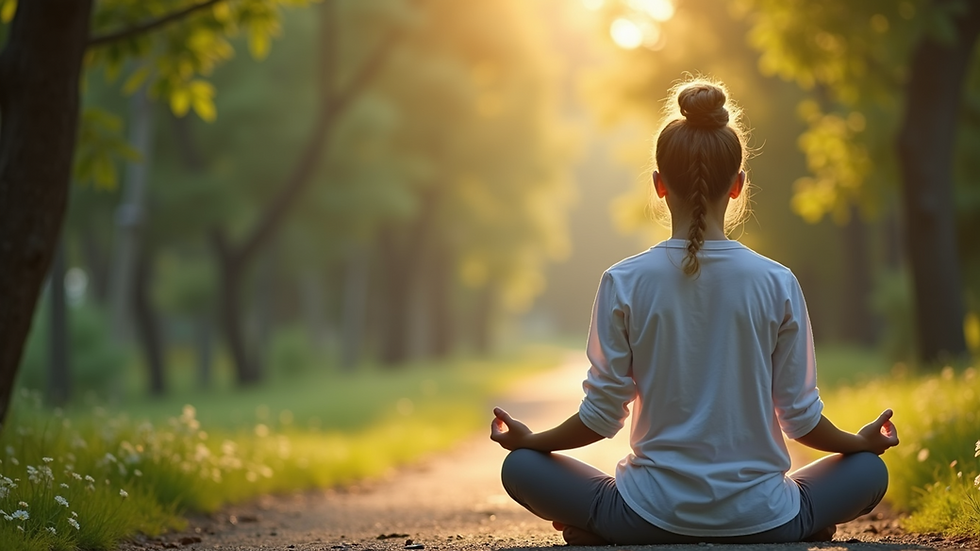
Mindfulness and meditation are powerful tools for improving mental health. They help you stay present and reduce stress. Here are some simple ways to incorporate mindfulness into your daily routine:
Breathing Exercises: Take a few minutes each day to focus on your breath. Inhale deeply, hold for a moment, and exhale slowly. This can help calm your mind.
Mindful Walking: When you walk, pay attention to your surroundings. Notice the sights, sounds, and smells. This practice can ground you in the moment.
Guided Meditations: There are many apps and online resources available for guided meditations. Find one that resonates with you and practice regularly.
By practicing mindfulness, you can improve your mental clarity and engagement.
Physical Activity and Mental Health
Physical activity is not just good for your body; it is also beneficial for your mind. Exercise releases endorphins, which can boost your mood. Here are some ways to incorporate physical activity into your life:
Find an Activity You Enjoy: Whether it is dancing, hiking, or yoga, choose an activity that you look forward to.
Set Realistic Goals: Start small and gradually increase your activity level. Setting achievable goals can keep you motivated.
Make it Social: Invite friends to join you in your activities. Exercising with others can enhance your engagement and make it more enjoyable.
Regular physical activity can significantly improve your mental health and overall engagement.
Nutrition and Mental Well-Being
What you eat can impact your mental health. A balanced diet can help you feel better physically and mentally. Here are some tips for improving your nutrition:
Eat a Variety of Foods: Include fruits, vegetables, whole grains, and lean proteins in your diet. A diverse diet can provide essential nutrients for brain health.
Stay Hydrated: Drinking enough water is crucial for overall health. Dehydration can lead to fatigue and decreased focus.
Limit Processed Foods: Try to reduce your intake of sugary and processed foods. These can lead to mood swings and energy crashes.
By paying attention to your nutrition, you can support your mental health and enhance your engagement.
Setting Boundaries
Setting boundaries is essential for maintaining mental health. It helps you protect your time and energy. Here are some strategies for setting healthy boundaries:
Learn to Say No: It is okay to decline invitations or requests that do not serve your well-being. Prioritize your needs.
Communicate Clearly: Be open about your limits with friends, family, and colleagues. Clear communication can prevent misunderstandings.
Take Breaks: Allow yourself time to recharge. Whether it is a short break during the day or a longer vacation, taking time for yourself is vital.
Establishing boundaries can help you feel more in control and engaged in your life.
Creative Outlets for Expression
Engaging in creative activities can be a powerful way to express your feelings and improve mental health. Here are some creative outlets to consider:
Art: Drawing, painting, or crafting can be therapeutic. You do not need to be an expert; just let your creativity flow.
Writing: Whether it is poetry, stories, or journaling, writing can help you process your emotions.
Music: Playing an instrument or singing can be a great way to express yourself. Music has a unique ability to lift your spirits.
Finding a creative outlet can enhance your engagement and provide a sense of fulfillment.
Technology and Mental Health
In today's digital age, technology can be both a blessing and a curse for mental health. Here are some ways to use technology positively:
Mental Health Apps: There are many apps designed to support mental well-being. Explore options for meditation, mood tracking, or therapy.
Limit Social Media: While social media can connect you with others, it can also lead to comparison and anxiety. Set limits on your usage to protect your mental health.
Online Communities: Consider joining online forums or support groups. Connecting with others who share similar experiences can be comforting.
Using technology mindfully can enhance your engagement and support your mental health.
Embracing Gratitude
Practicing gratitude can shift your focus from what is lacking to what you have. This positive mindset can improve your mental health. Here are some ways to cultivate gratitude:
Gratitude Journaling: Each day, write down three things you are grateful for. This simple practice can help you appreciate the positive aspects of your life.
Express Gratitude: Take time to thank those who have positively impacted your life. A simple note or message can strengthen your connections.
Reflect on Challenges: Consider how challenges have helped you grow. Finding lessons in difficult times can foster resilience.
Embracing gratitude can enhance your overall engagement and well-being.
Seeking Professional Help
If you find that your mental health struggles are overwhelming, seeking professional help is a vital step. A mental health professional can provide support tailored to your needs. Here are some options to consider:
Therapy: Talking to a therapist can help you explore your feelings and develop coping strategies.
Support Groups: Joining a support group can connect you with others who understand your experiences.
Medication: In some cases, medication may be necessary to manage mental health conditions. Consult with a healthcare provider for guidance.
Remember, seeking help is a sign of strength, not weakness.
Final Thoughts on Your Mental Health Journey
Improving your mental health is a personal journey that requires patience and commitment. By implementing these personalized strategies, you can enhance your engagement in life. Remember to be kind to yourself and celebrate your progress, no matter how small.
As you explore these strategies, keep in mind that everyone's path is unique. What works for you may differ from what works for someone else. Stay open to trying new approaches and adjusting your strategies as needed.
Your mental health matters, and taking steps to improve it can lead to a more fulfilling and engaged life. Embrace the journey, and remember that you are not alone in this process.


Comments