
How Nature Inspires Effective Mental Health Counseling

In today's fast-paced world, mental health is more important than ever. Many people struggle with anxiety, depression, and other mental health issues. As we seek solutions, one powerful source of inspiration often goes overlooked: nature.
Nature has a unique ability to heal and inspire. It offers a sense of peace and tranquility that can be incredibly beneficial for mental health counseling. In this blog post, we will explore how nature can enhance counseling practices, improve client outcomes, and foster a deeper connection between counselors and their clients.
The Healing Power of Nature
Nature has a calming effect on the mind and body. Studies show that spending time outdoors can reduce stress, lower blood pressure, and improve mood.
Here are some key benefits of nature for mental health:
Stress Reduction: Being in nature helps lower cortisol levels, which are linked to stress.
Improved Mood: Natural environments can boost serotonin levels, leading to a happier state of mind.
Enhanced Focus: Nature can improve concentration and cognitive function, making it easier for clients to engage in therapy.
By incorporating nature into counseling, therapists can create a more effective and supportive environment for their clients.
Nature-Based Counseling Approaches
There are several ways to integrate nature into mental health counseling. Here are a few effective approaches:
Ecotherapy
Ecotherapy, also known as nature therapy, involves outdoor activities that promote healing. This can include hiking, gardening, or simply sitting in a park.
Counselors can guide clients through these activities, allowing them to connect with nature while discussing their feelings and experiences.
Nature Walks
Taking therapy sessions outdoors can be incredibly beneficial. Nature walks provide a relaxed atmosphere where clients can feel more comfortable opening up.
Walking side by side can also reduce the pressure of direct eye contact, making it easier for clients to share their thoughts.
Mindfulness in Nature
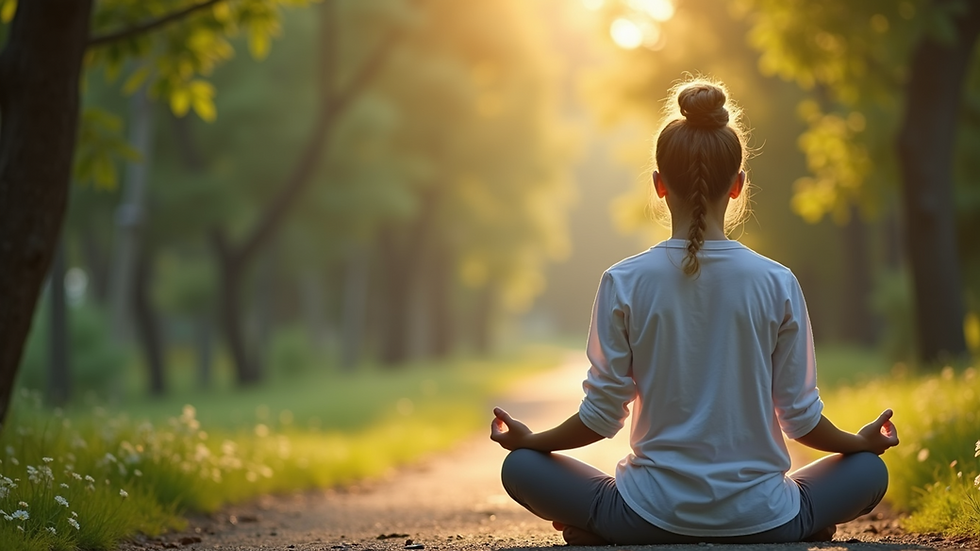
Mindfulness practices can be enhanced by nature. Counselors can teach clients to focus on their surroundings, such as the sound of leaves rustling or the smell of fresh flowers.
This practice helps clients stay present and reduces anxiety about the past or future.
The Role of Nature in Building Rapport
Building a strong therapeutic relationship is crucial for effective counseling. Nature can play a significant role in this process.
When counselors and clients share experiences in nature, it fosters a sense of connection and trust.
Here are some ways nature can help build rapport:
Shared Experiences: Engaging in outdoor activities together creates shared memories that strengthen the bond between counselor and client.
Relaxed Atmosphere: Nature provides a calming backdrop that can ease tension and promote open communication.
Authenticity: Being in a natural setting allows both parties to be more authentic and vulnerable, which is essential for effective counseling.
Practical Tips for Incorporating Nature into Counseling
If you are a mental health professional looking to integrate nature into your practice, here are some practical tips:
Choose the Right Location: Select a safe and accessible outdoor space for sessions. Parks, gardens, or nature trails can be great options.
Plan Activities: Consider incorporating activities like walking, gardening, or even art projects that utilize natural materials.
Encourage Mindfulness: Teach clients to engage their senses while in nature. Ask them to notice the colors, sounds, and smells around them.
Be Flexible: Not all clients may feel comfortable outdoors. Be open to adjusting your approach based on individual preferences.
Follow Up: After outdoor sessions, check in with clients about their experiences. Discuss how nature impacted their feelings and thoughts.
Case Studies: Success Stories
To illustrate the effectiveness of nature in mental health counseling, let's look at a couple of case studies.
Case Study 1: Sarah's Journey
Sarah, a 28-year-old woman, struggled with anxiety and depression. Traditional therapy sessions felt overwhelming for her.
Her counselor suggested nature walks as a way to ease her into therapy. During their walks, Sarah felt more relaxed and open.
Over time, she began to share her thoughts and feelings more freely. The combination of physical activity and the calming presence of nature helped Sarah make significant progress in her mental health journey.
Case Study 2: Mark's Transformation
Mark, a 35-year-old man, faced challenges with anger management. His counselor introduced him to ecotherapy, where he engaged in gardening.
Working with plants allowed Mark to channel his emotions positively. He found joy in nurturing the garden, which helped him develop patience and self-control.
Through this nature-based approach, Mark learned to manage his anger more effectively and improve his overall well-being.
The Science Behind Nature and Mental Health
Research supports the idea that nature has a profound impact on mental health. Studies have shown that spending time in natural environments can lead to:
Reduced Symptoms of Anxiety and Depression: Nature exposure has been linked to lower levels of anxiety and depression.
Increased Feelings of Well-Being: People who spend time outdoors report higher levels of happiness and life satisfaction.
Enhanced Cognitive Function: Nature can improve attention and memory, making it easier for clients to engage in therapy.
These findings highlight the importance of incorporating nature into mental health counseling practices.
Overcoming Barriers to Nature-Based Counseling
While the benefits of nature in counseling are clear, some barriers may prevent counselors from integrating it into their practice.
Here are some common challenges and how to overcome them:
Weather Conditions: Bad weather can limit outdoor sessions. Have a backup plan, such as indoor activities that mimic nature, like using plants or nature sounds.
Client Reluctance: Some clients may feel uncomfortable outdoors. Take time to discuss their concerns and find ways to make them feel safe and supported.
Accessibility: Not all clients may have access to natural spaces. Consider virtual nature experiences, such as guided imagery or nature videos, to bring the outdoors to them.
By addressing these barriers, counselors can create a more inclusive and effective nature-based approach to mental health.
The Future of Nature in Mental Health Counseling
As awareness of mental health continues to grow, the integration of nature into counseling practices is likely to expand.
Counselors are increasingly recognizing the value of nature in promoting healing and well-being.
In the future, we may see:
More Training Programs: Educational institutions may offer specialized training in nature-based counseling techniques.
Increased Research: Ongoing studies will continue to explore the relationship between nature and mental health, providing valuable insights for practitioners.
Community Initiatives: Local organizations may develop programs that connect individuals with nature, promoting mental health awareness and support.
By embracing the healing power of nature, mental health counselors can enhance their practices and provide more effective support for their clients.
Embracing Nature for a Brighter Tomorrow
Incorporating nature into mental health counseling is not just a trend; it is a powerful approach that can lead to meaningful change.
As we continue to explore the connection between nature and mental health, we can create a brighter future for those seeking support.
By embracing the beauty and tranquility of the natural world, counselors can inspire hope, healing, and resilience in their clients.

In a world that often feels chaotic, nature offers a refuge. Let us harness its power to inspire effective mental health counseling and foster a deeper connection with ourselves and each other.

Comments